澳大利亚华人历史博物馆 《澳洲华人历史一百年回顾》
2026-01-12 14:34:50
雷宜佑先生事略
——澳大利亚淘金时代华人社群领袖与公益先驱——
中文(Chinese)
雷宜佑,字宜佑,广东香山(今中山市)人,1862 年生,出身农家,为三兄弟之长。其幼承庭训,体魄健硕,自幼习武,秉承“诗礼传家”之训,重德修身,知行并重,既具坚毅之志,亦怀仁厚之心。一生笃信“家庭与事业并重”之价值。三十三岁时自澳返乡,与沙涌马氏女子成婚,育有子女十人(六男四女),家族枝叶绵延,代代相承。
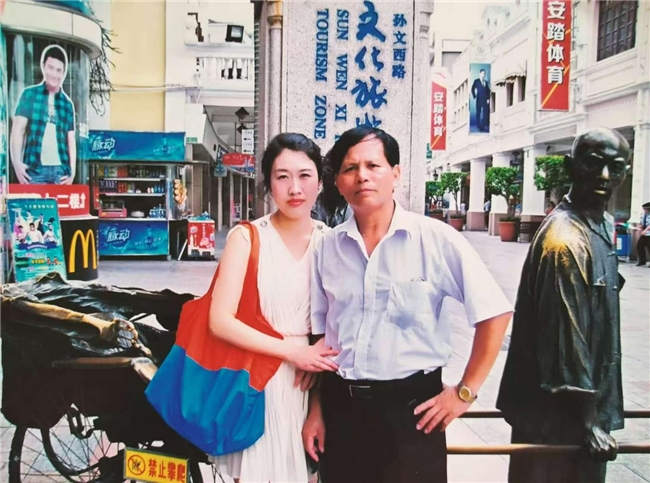
1883 年,雷宜佑与同乡结伴南下,远渡重洋赴澳,投身维多利亚淘金热。其行事沉稳,处世公允,逐渐成为华人矿工与殖民当局及中西社群之间的重要沟通纽带。其后长期活跃于本迪戈(Bendigo)华人社会,历任中华商会董事及会长,致力于侨胞福祉,推动华人社群的组织建设与中西社会的良性互动。
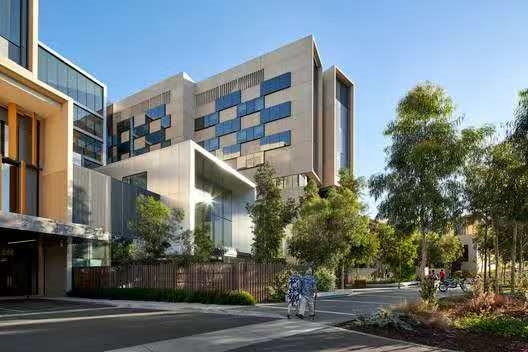
淘金热时期,本迪戈人口骤增,医疗资源极度紧张。雷宜佑先生积极参与并发起为本迪戈医院筹募善款,动员华人矿工与商户踊跃捐输。该院始建于十九世纪中叶,至今仍为维多利亚州中部重要的区域性公立医院,见证了华人社群在澳大利亚早期公共事业建设中的真实贡献。
1922 年,雷宜佑晚年退休返乡,修建两间故屋,过着乡绅生活,同时投身地方公共事务,积极参与家乡教育、医疗及防洪水利建设,后被乡民推举多任村长。1925 年因积劳成疾,病逝于家中,享年六十三岁。
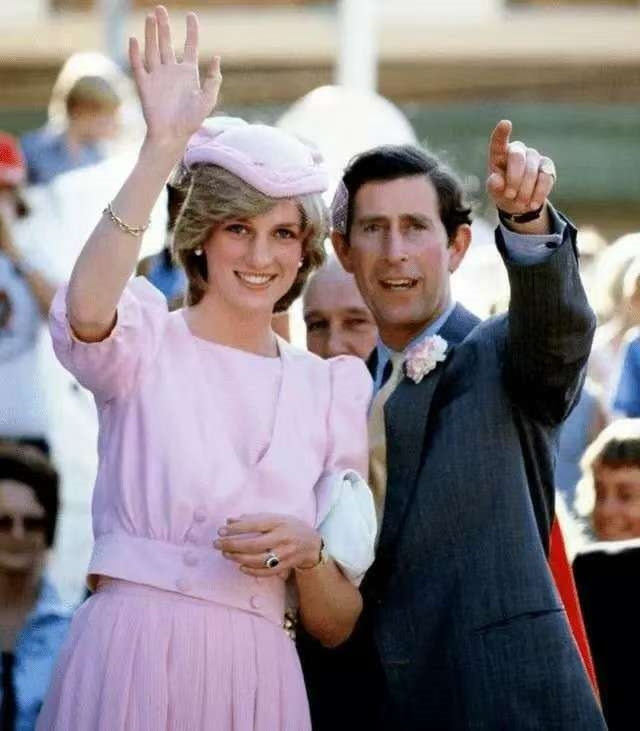
1983 年,英国王储查理王子与戴安娜王妃访问本迪戈,参观当地博物馆与慈善机构,并观看舞龙慈善筹款表演。这一历史场景,象征着百余年前华人社群所奠立的公益传统与多元文化精神,在当代澳大利亚社会中的延续与认可。
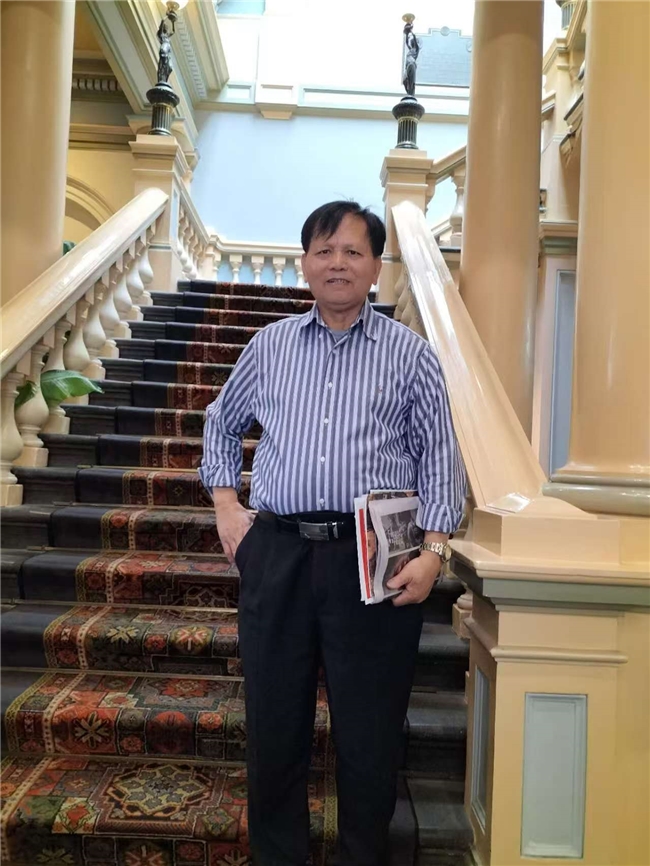
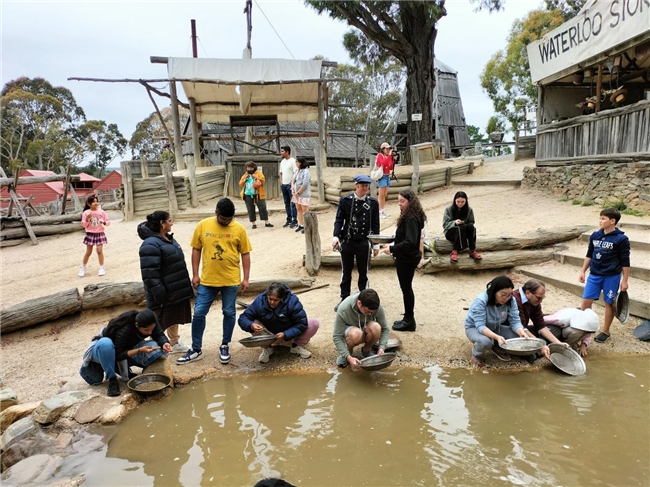
2025 年圣诞期间,值雷宜佑来澳淘金一百余年之际,其孙雷燦仪(Charlie Louie)为纪念祖父跨越太平洋的奋斗生涯,并充实《雷氏族谱》史料,亲赴维多利亚淘金遗址实地考察。据史料记载,当年雷宜佑曾代表华人矿工向矿区警察陈情:
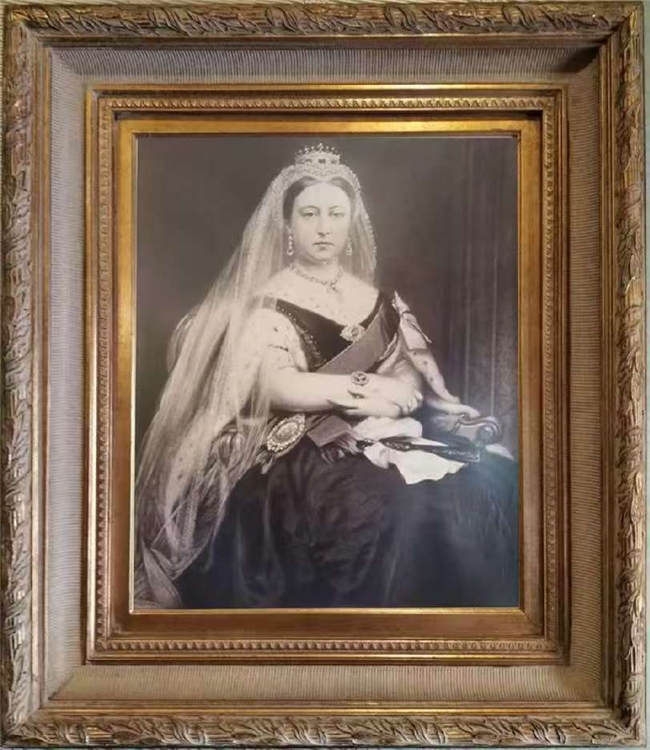
“在中国,我们难以摆脱贫困;当听闻英国殖民地澳洲发现黄金,遂与同乡族人自发前来淘金,只盼数年辛劳,积蓄薄财,返乡买田置业。恳请当局勿强行索取我们的成果;我们将尊敬总督,遵守法律。”
此番陈述获得当时统治者的理解,也在一定程度上促成了对华人矿工态度的缓和。
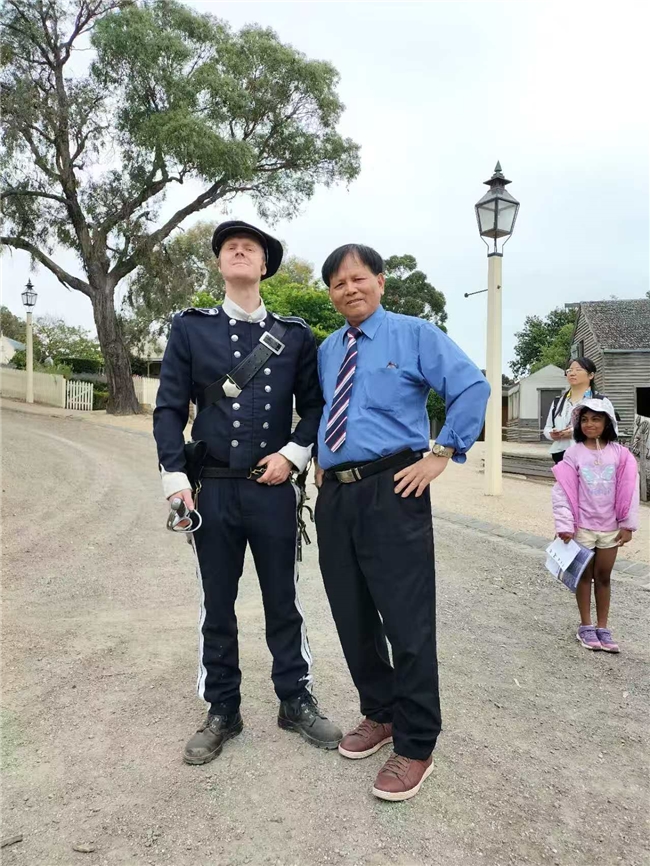
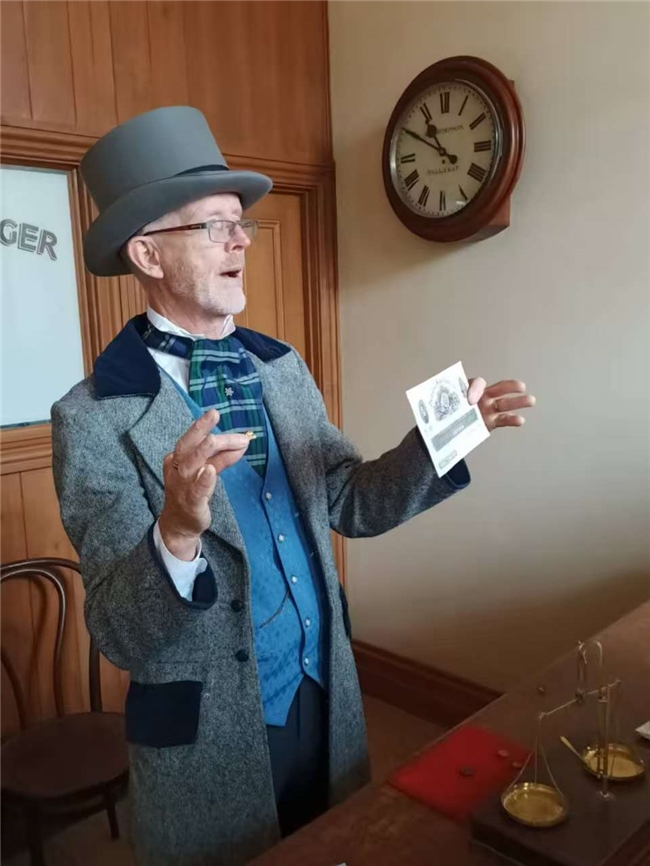
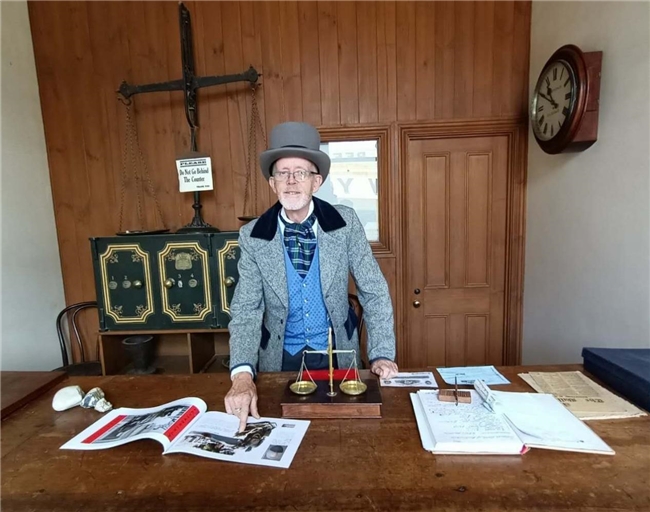
雷宜佑一生往返中澳,既肩负家庭血脉延续之责,亦承担社群公共事务之任,其人生轨迹,正是澳大利亚华人百年奋斗史中极具代表性的缩影。
文|澳大利亚华人历史研究会
2026 年 1 月 11 日
Mr. Louie Yiyou
A Chinese Community Leader and Philanthropic Pioneer of Australia’s Gold Rush Era
English
Louie Yiyou (courtesy name: Yiyou) was born in 1862 in Xiangshan County, Guangdong Province (present-day Zhongshan), China. He came from a farming family and was the eldest of three brothers. Raised under strict family teachings, he was physically strong, trained in martial arts from a young age, and deeply influenced by the Confucian ideal of “poetry and propriety as the foundation of the family.” He valued moral cultivation, practical action, and upheld throughout his life the principle of balancing family responsibility with public service. At the age of thirty-three, he returned from Australia to China, married a woman of the Ma family from Shachong, and had ten children—six sons and four daughters—establishing a flourishing lineage.
In 1883, Louie Yiyou travelled to Australia with fellow villagers during the Victorian gold rush. Known for his calm judgement and fairness, he gradually became an important intermediary between Chinese miners, colonial authorities, and the broader Anglo-Australian community. He was long active in the Chinese community of Bendigo, serving as a director and later president of the Chinese Chamber of Commerce, where he worked tirelessly to improve the welfare of Chinese migrants and to foster constructive engagement between Chinese and Western societies.
During the height of the gold rush, Bendigo’s population surged and medical resources were severely strained. Louie Yiyou played a leading role in fundraising efforts for the Bendigo Hospital, mobilising Chinese miners and merchants to contribute generously. Established in the mid-nineteenth century, the hospital remains a major regional public institution in central Victoria, standing as enduring evidence of the Chinese community’s contribution to Australia’s early public infrastructure.
In 1922, Louie Yiyou retired and returned to his hometown in China. He rebuilt two ancestral houses and lived as a respected local elder, actively participating in public affairs including education, medical services, and flood control projects. He was repeatedly elected village head by local residents. In 1925, after years of devoted service, he passed away at home due to illness, aged sixty-three.
In 1983, Prince Charles and Princess Diana visited Bendigo, touring local museums and charitable institutions and attending a dragon dance fundraising performance. This moment symbolised the enduring legacy of the philanthropic traditions and multicultural values established by the Chinese community more than a century earlier.
During Christmas 2025, marking over one hundred years since Louie Yiyou’s arrival in Australia, his grandson Charlie Louie travelled to Victorian goldfield sites to retrace his grandfather’s footsteps and to enrich the historical record of the Louie Family Genealogy. Historical sources record that Louie Yiyou once spoke on behalf of Chinese miners to local police, stating:
“In China, it is difficult for us to escape poverty. When we heard that gold had been discovered in the British colony of Australia, we came voluntarily with our fellow villagers, hoping that after several years of hard labour we might save a small sum and return home to buy land and support our families. We respectfully ask that our earnings not be forcibly taken. We will respect the Governor and obey the law.”
This appeal was met with understanding by the authorities and contributed, to some extent, to a moderation of attitudes toward Chinese miners.
Throughout his life, Louie Yiyou travelled repeatedly between China and Australia, fulfilling his duty to family lineage while also bearing responsibility for the wider community. His life story stands as a representative microcosm of the century-long struggle, contribution, and resilience of Chinese Australians.
Text | Australian Chinese Historical Research Association
11 January 2026

相关文章
- 2026-06-26 18:11:23从墙壁上的色彩到数字时代的光 "壁彩京华”探索文化遗产活化传播的新路径
- 2026-06-21 11:42:32"海外翻译与传播应用能力培养计划”第二届社长总编辑国际传播交流会在京举行
- 2026-06-20 10:17:42四季木兰集团联合芭莎艺术年度美学盛典圆满落幕
- 2026-06-16 14:46:57举杯五粮液,竞猜世界杯!看央视全明星阵容陪你赢千万大奖
- 2026-06-15 17:51:16地蕴 · 心印 · 手泽「灵境·白族」特展三大篇章揭晓,重塑城市非遗新体验
作品推荐
展览推荐
每日最新
- "粽”聚中华 舞韵端阳 北京中华民族博物
- 追记广西合浦革命者廖世泰:半生藏"红”笔
- 从产区到东方酒香生活美学目的地 仁怀的酒
- 心景美术馆驻烟台养马岛油画工作室挂牌成立
- 中国知名纹饰艺术家、九珈国际创始人---
每周热点
- 1 艺路求索终有成
- 2 海陵岛夏日,赴一场山海浪漫
- 3 以技立身强本领 匠心筑梦向未来——儿童早
- 4 爆款频出!动态漫以精品内容重塑数字内容新
- 5 赣疆联手,为英雄立传:报告文学《帕米尔高
- 6 北京中华民族博物院举办"智汇民博·春趣游
- 7 全民阅读|图书同名电影《会飞的板凳龙》开
- 8 天地之根家庭文化建设社区行暨北龙湖读书会
- 9 东航"全民阅读活动周”主题航班传递书香
- 10 Soul张璐团队推进线下布局,My So
排行榜
论坛/博客热点
- 著名演艺经纪人宫庭海:深耕演艺四十载蝶变
- 扑朔声音|学伪音会伤嗓子吗?科学训练与错
- 让一孔窑洞的温暖,成为整个中国的牵挂
- 2026 国际文化和睦年:以文筑和平 京
- 丙午启新年 南山纳百福 三亚南山文化旅